Belgian Waffle (Gaufre de Liège)
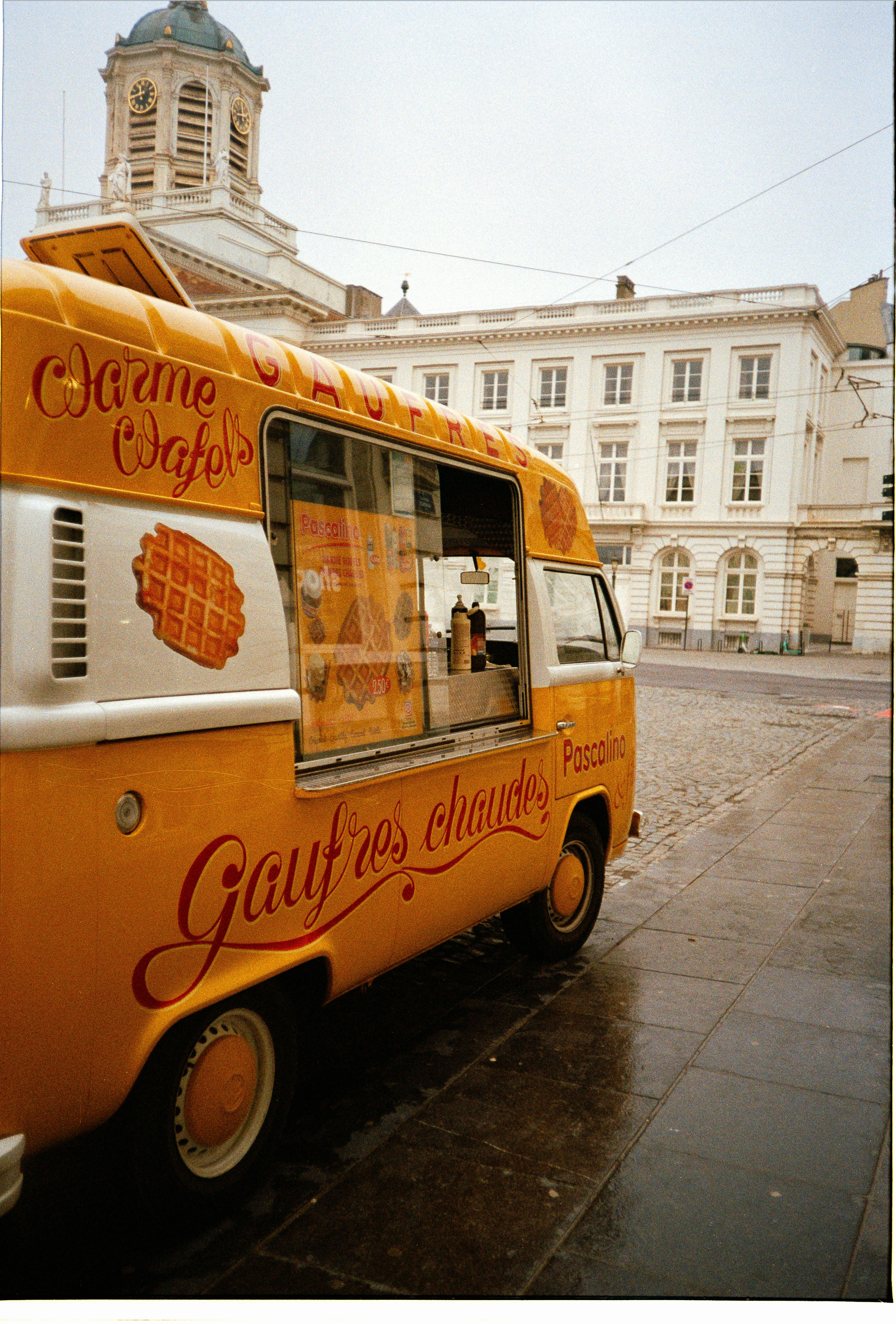
The Liège waffle isn't thin batter poured into an iron — it's a rich, yeasted brioche dough studded with pearl sugar that caramelizes into crunchy pockets.
Sold hot from waffle carts and stands across Belgian towns, the Liège waffle is dense, chewy, and sweet enough to eat plain, straight off a paper napkin — no toppings required, unlike the thinner, crisper Brussels waffle usually piled with fruit and cream.
What is Belgian Waffle?
The Liège waffle (gaufre de Liège) is a dense, chewy, sweet waffle made from a rich yeasted dough, much like brioche, with chunks of pearl sugar folded in. As the waffle cooks, the sugar melts and caramelises into crunchy, sticky pockets on the outside. It is sold hot from waffle carts and stands across Belgian towns and usually eaten plain, from a paper napkin, with no toppings.
It is named after the city of Liège, in Wallonia, and is often said to date back to the 18th century, though the origin stories told about it are partly legend and cannot be verified. It differs from the Brussels waffle, which is lighter, crisper and more rectangular, and is usually served with powdered sugar, cream or fruit.
How to make Liège waffles
Ingredients
- 500 g (about 4 cups) strong white bread flour
- 7 g (1 sachet, about 2¼ teaspoons) fast-action dried yeast
- 60 g (¼ cup) caster sugar
- 1 teaspoon fine salt
- 150 ml (⅔ cup) whole milk, lukewarm (around 35–38 °C)
- 3 eggs, at room temperature
- 1 teaspoon vanilla extract
- 200 g (¾ cup plus 2 tablespoons) unsalted butter, softened, in small pieces
- 200 g (1 cup) pearl sugar (nibbed sugar)
- A little oil or butter for greasing the waffle iron
Method
- In a large bowl or stand mixer, mix the flour, yeast, caster sugar and salt. Add the lukewarm milk, eggs and vanilla and mix to a sticky, rough dough.
- Knead for 5 minutes by machine (dough hook) or about 10 minutes by hand, until the dough is smooth and elastic. Add the soft butter a few pieces at a time and keep kneading until it is fully absorbed and the dough is shiny and soft. It will be very sticky at first, so resist adding more flour.
- Cover the bowl and leave in a warm place for 1 to 1½ hours, until roughly doubled in size.
- Gently fold in the pearl sugar, just until it is spread through the dough. Do not knead it hard, because the sugar will start to dissolve. Divide the dough into 12 pieces of about 120 g and shape them into balls. Cover and rest for 15–20 minutes.
- Heat a waffle iron to medium. Grease it lightly for the first waffle. Put one ball in the centre and close the lid gently.
- Cook for 3–4 minutes, until the waffle is deep golden brown with dark caramelised patches. The exact time depends on your iron. Lift it out with a wooden or heatproof tool, because the sugar is extremely hot, and cool for a few minutes on a rack before eating. Repeat with the other balls.
- Wipe stray sugar from the iron between waffles while it is still warm, using a damp cloth held with tongs or a wooden skewer.
Tips
- Pearl sugar is what makes a Liège waffle, because it holds its shape and melts into crisp pockets. Crushed sugar cubes are a rough substitute, but they dissolve more.
- Add the pearl sugar at the last moment. Left to sit in the dough, it dissolves and makes the dough wet.
- Cook at a moderate heat. Too hot and the sugar burns before the inside is cooked.
- Do not taste the raw dough. It contains raw egg and raw flour.
- The shaped balls can be frozen. Defrost them in the fridge overnight, and let them come to room temperature before cooking.
Regional versions
- The Brussels waffle uses a much thinner, lighter batter, raised with yeast or with whisked egg whites, in a deep-pocketed rectangular iron, and is usually served dusted with icing sugar or with fruit and cream.
- Some vendors add cinnamon to the dough or finish the waffle with chocolate or whipped cream.
- In the United States, 'Belgian waffle' typically means a thick, yeasted or batter-based waffle that is different from the Liège type.
Questions
What is the difference between a Liège waffle and a Brussels waffle?
A Liège waffle is made from a dense, rich, yeasted dough with pearl sugar and is chewy and caramelised. A Brussels waffle is made from a lighter batter and is crisp and airy.
Can I make Liège waffles without pearl sugar?
You can use roughly crushed sugar cubes, but the sugar will melt more and the waffle will be less crunchy. Pearl sugar is sold online and in some supermarkets.
Can I make the dough ahead of time?
Yes. After the first rise, chill the dough overnight, fold in the pearl sugar the next day, shape it and let it come back to room temperature before cooking.
Roughly what's in it
More from Belgium
 Belgian Fries (Frites/Friet)
 Mitraillette
 Kaaskroket (Cheese Croquette)
 Rodenbach
 Garnaalkroket
🍺
Stoverij met Rodenbach