Valley Harvest · Semi-Milled Grain
Bhutanese Red Rice
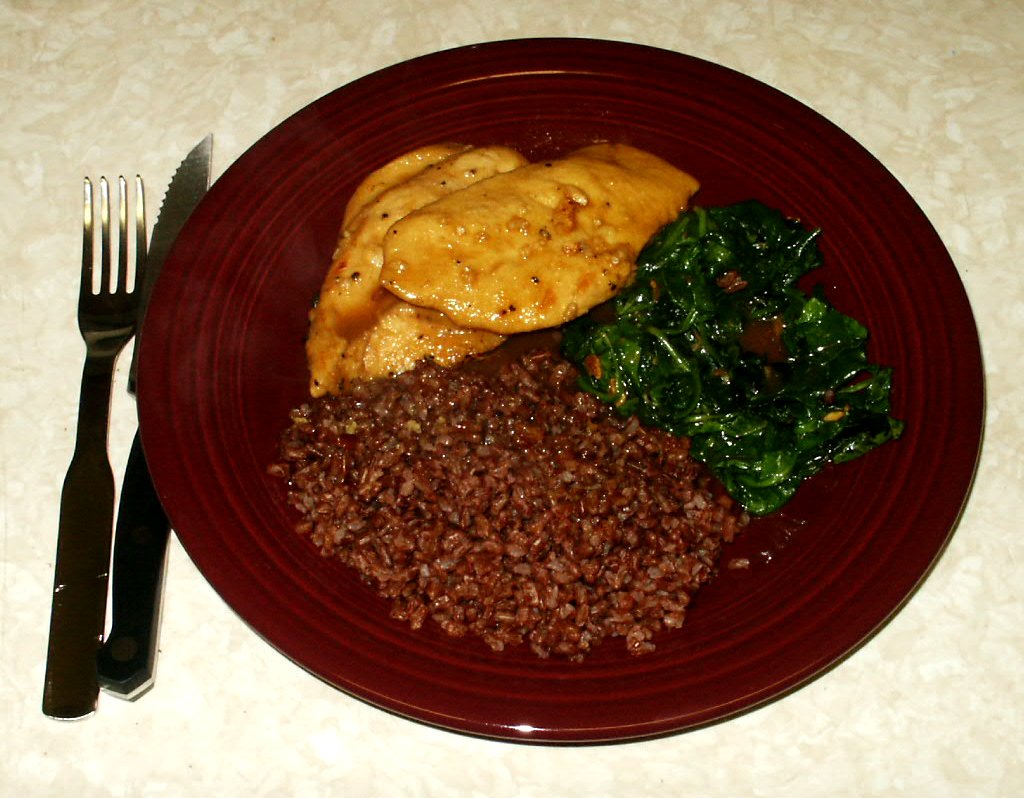
Photo: Steve / Wikimedia Commons · CC BY-SA 2.0
Bhutan grows red rice at unusually high altitude, up to about 2,400 metres (7,900 feet) in the Paro valley, irrigated by mineral-rich water from Himalayan rivers.
Grown in terraced paddies across Punakha and Wangdue Phodrang, this medium-grain rice keeps its russet bran layer through milling, cooking in about 20 minutes into a soft, nutty-tasting grain. It's the base of nearly every meal in the valley, served alongside ema datshi and other stews at homes and eateries alike.
Why it's made this way: Punakha and Wangdue's warm, well-watered river valleys are among Bhutan's main rice areas, with Punakha often called the country's rice bowl, and red rice is also grown higher up in the Paro valley.
Roughly what's in it
220kcal
5gprotein
47gcarbs
2gfat
Estimated per typical street-vendor portion — not lab-tested.
More from Bhutan


Part of World of Street Food — 3443 dishes from 118 countries.
Something wrong here? Tell us in the comments below.
Photo credits.