Herders' Skillet · Fried Meat & Onion
Kuurdak
🍳
Photo coming soon
Kuurdak was traditionally the first dish made right after a family slaughtered an animal — a way to use the freshest organ meat and trimmings before anything had a chance to spoil.
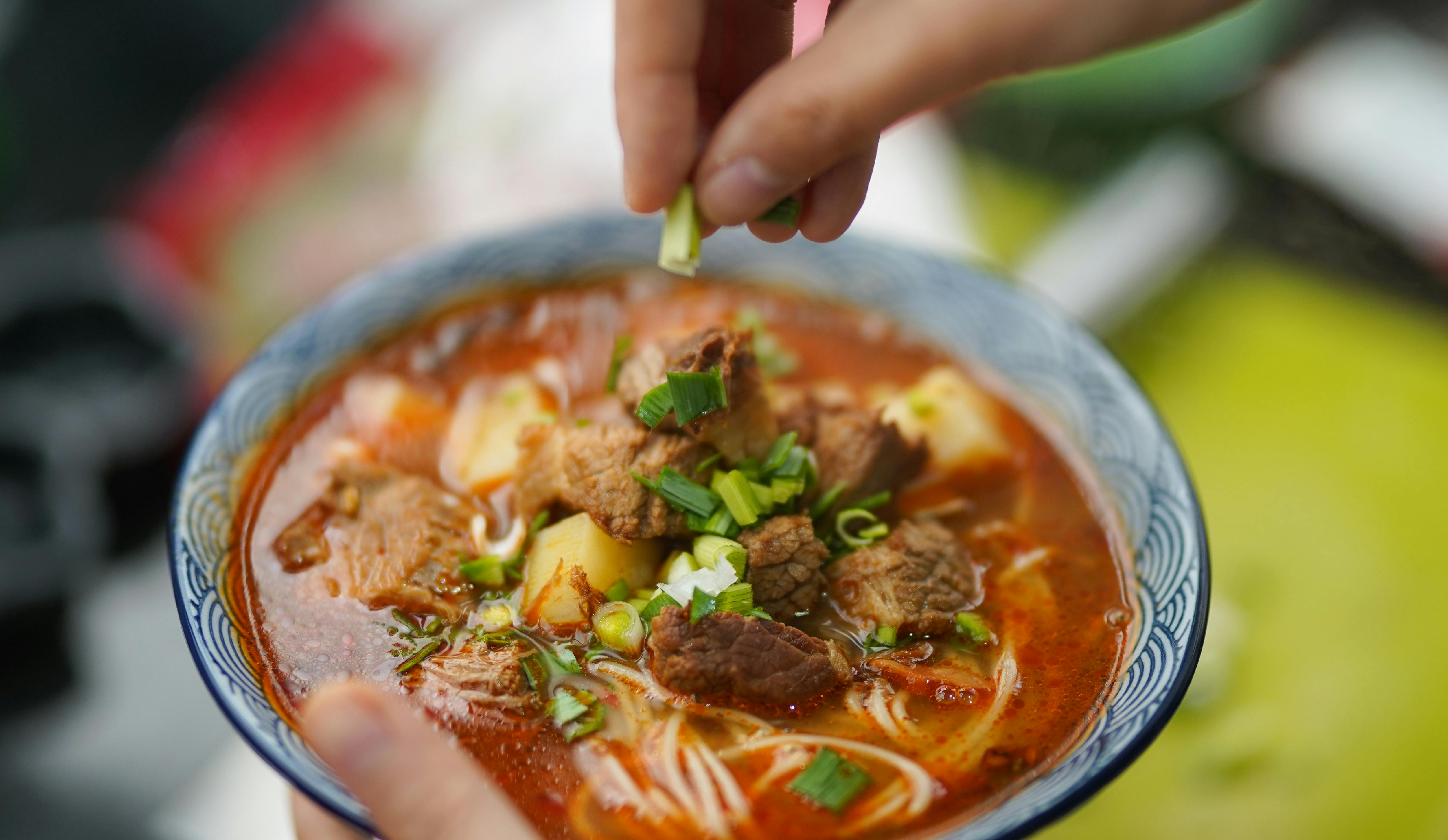
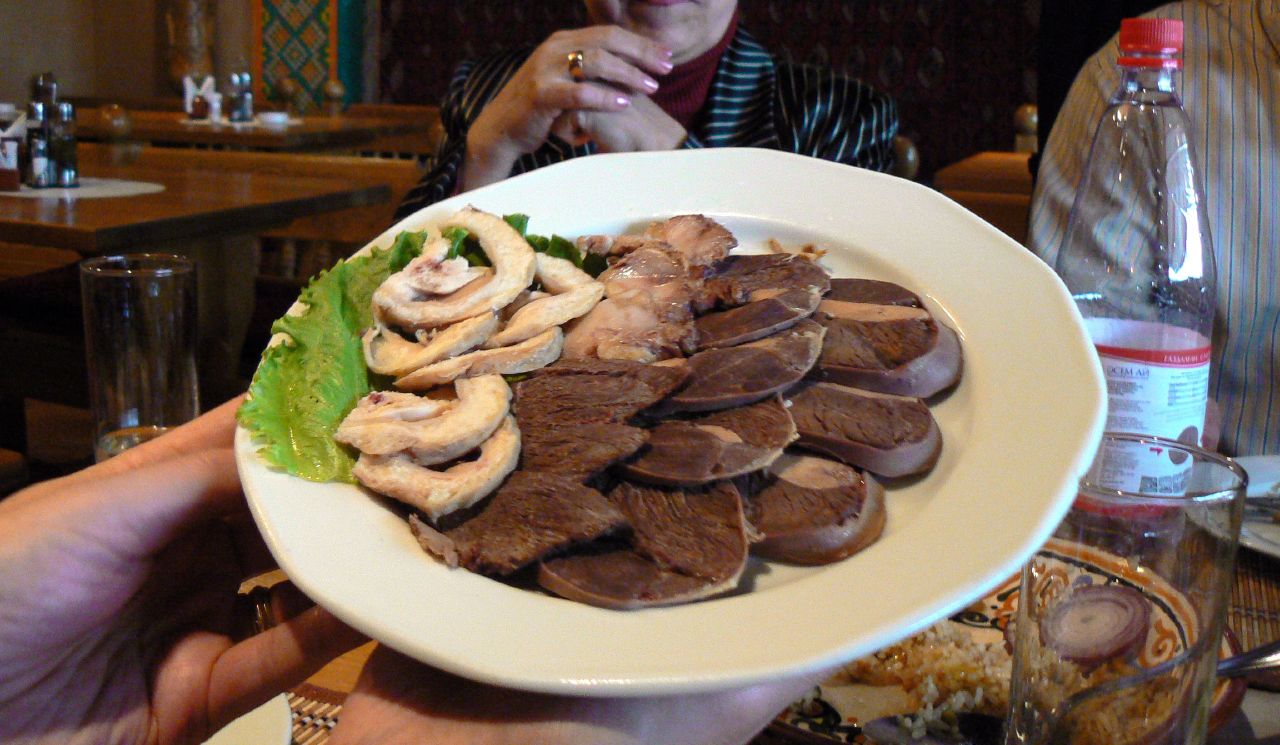
Chunks of meat, often mixed with liver, kidney, or other organ cuts, are fried hard in their own rendered fat with onion until deeply browned, producing a hearty, high-fat skillet dish. In East Kazakhstan, where Slavic, Tatar, and Kazakh food cultures meet along the Irtysh River, kuurdak turns up on market-cafe menus as a quick, filling plate served with bread or potatoes.
Why it's made this way: The dish's use-everything approach to a fresh slaughter reflects Kazakhstan's nomadic herding economy, and East Kazakhstan's position at the crossroads of Russian, Tatar, and Kazakh settlement kept it a shared, everyday plate rather than one tied to a single community.
Roughly what's in it
410kcal
26gprotein
6gcarbs
31gfat
Estimated per typical street-vendor portion — not lab-tested.
More from Kazakhstan


Part of World of Street Food — 3248 dishes from 118 countries.
Something wrong here? Tell us in the comments below.
Photo credits.