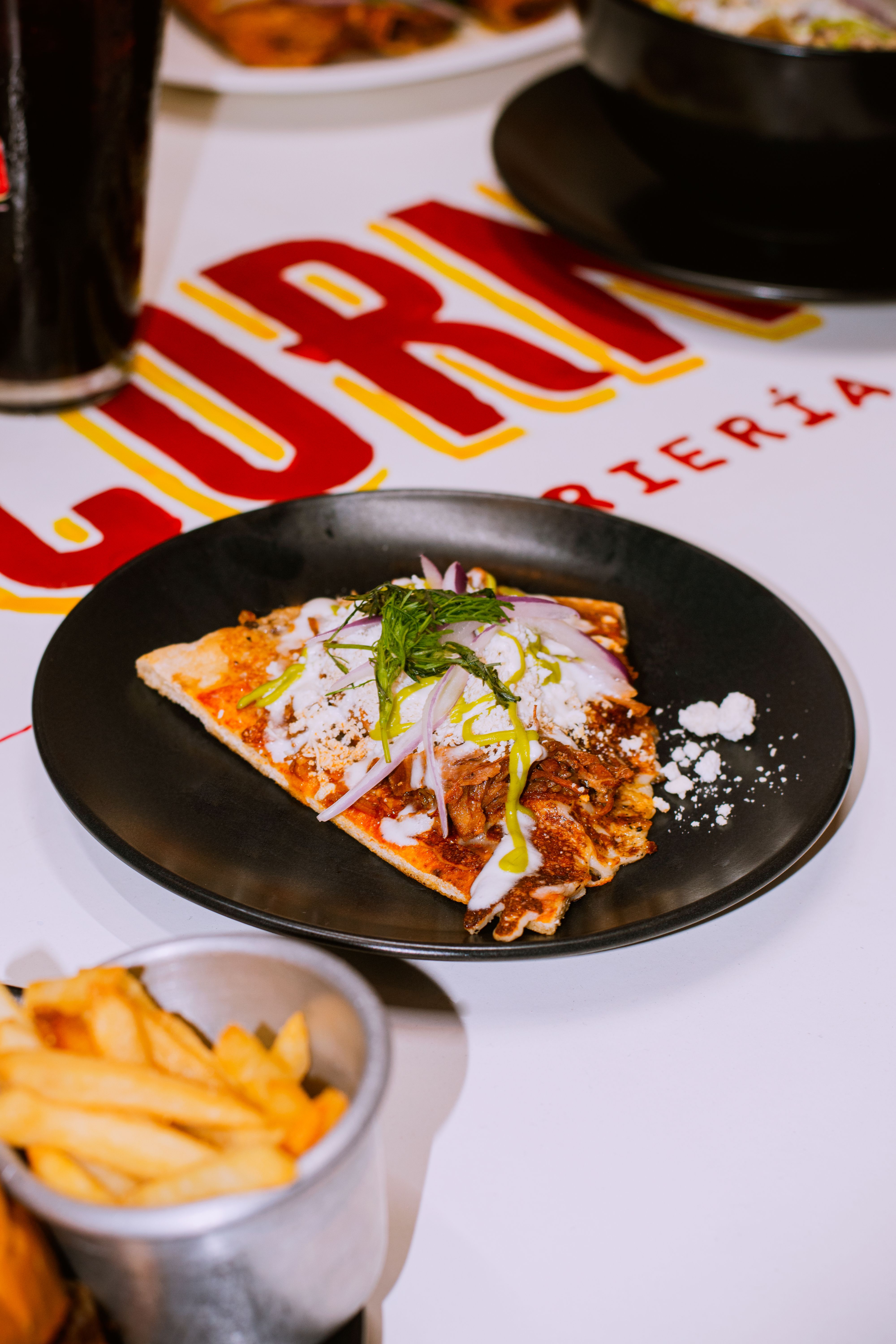
Cochinita Pibil

The word 'pibil' comes from the Mayan 'pib,' the underground earthen oven the Maya used to pit-roast food long before pigs were even introduced to the Americas by the Spanish.
Pork is marinated in sour orange juice and achiote paste, wrapped in banana leaves, and traditionally slow-roasted in an underground pit until it shreds apart. Taco stands across the Yucatán pile it into tacos with pickled red onion.
What is Cochinita Pibil?
Cochinita pibil is a pork dish from the Yucatán peninsula in south-eastern Mexico. The pork is marinated in a red paste of achiote (annatto) seeds and spices thinned with sour orange juice, wrapped in banana leaves and cooked slowly until it shreds apart. It is served in tacos or on bread with pickled red onions and often a fiery habanero salsa.
The name is usually explained as coming from 'pib', the Maya word for the underground oven traditionally used to cook it, and 'cochinita' meaning little pig. Pork came to the region with the Spanish, so the dish combines older Maya cooking methods with a European meat. Today it is often cooked in ordinary ovens, while the pit method survives in some villages and restaurants.
How to make cochinita pibil in the oven, with pickled red onions
Ingredients
- For the pork: 1.5 kg boneless pork shoulder (with its fat), cut into 5 cm chunks
- For the marinade: 50 g achiote paste (recado rojo), 100 ml fresh orange juice plus 50 ml lime juice (a home substitute for sour orange, see tips), 4 garlic cloves, 1 teaspoon dried oregano, 2 teaspoons fine salt, ½ teaspoon black pepper
- 2–3 banana leaves (frozen, thawed), enough to line and wrap your dish. If you cannot find them, use baking parchment under a tight foil lid; the flavour will be less distinctive
- For the pickled red onions: 2 medium red onions (about 300 g), thinly sliced, 150 ml orange juice plus lime juice mixed in the same 2:1 ratio, 1 teaspoon salt, ½ teaspoon dried oregano, 1 habanero chilli, thinly sliced (optional, and very hot)
- To serve: about 18 small corn tortillas, warmed, and habanero salsa (shop-bought is fine)
Method
- Blend the achiote paste, juices, garlic, oregano, salt and pepper until smooth. Taste a drop: achiote pastes vary in saltiness, so go carefully with extra salt.
- Put the pork in a bowl, add the marinade and turn until every piece is coated. Cover and refrigerate for at least 4 hours, ideally overnight.
- Heat the oven to 160 °C (140 °C fan, gas 3). Soften the banana leaves by passing them over a gas flame or dipping them in just-boiled water for a few seconds until they turn glossy and flexible. Remove any hard central rib.
- Line a deep ovenproof dish or casserole with the leaves, overlapping them and letting the ends hang over the sides. Add the pork and all the marinade, fold the leaves over the top to enclose it, and cover tightly with foil or a lid.
- Cook for about 3 hours. The pork is done when a fork slides in with no resistance and the meat pulls apart easily. A probe thermometer should read 90–95 °C in the thickest piece. Pork is safe once the centre reaches 70 °C for 2 minutes (US guidance is 63 °C plus a 3-minute rest), but at those temperatures shoulder is still tough and will not shred. If it is not tender, return it to the oven for another 30 minutes and check again.
- While the pork cooks, make the pickled onions: put the onion in a bowl, pour over just-boiled water for 30 seconds, then drain. Mix with the juice, salt, oregano and habanero, if using, and leave for at least 30 minutes. They are best within a day or two and keep in the fridge for up to 4 days.
- Shred the pork in its juices with two forks, discarding the leaves, and taste for salt. Serve on warm tortillas with the pickled onions and salsa.
Tips
- Real sour orange (naranja agria) is sharper than sweet orange. Orange plus lime juice at roughly 2:1 is a common home approximation, not an exact match, and some cooks add a little grapefruit juice or white vinegar instead.
- Do not trim all the fat from the shoulder. It keeps the pork moist and makes the cooking juices.
- Keep the dish tightly covered, as steaming rather than roasting is what makes the meat tender.
- Wear gloves when slicing habanero, and keep it away from your eyes.
Regional versions
- It is also served in a torta (a bread roll), over rice, or in panuchos and salbutes.
- Some cooks use pork leg or add a little pork belly for richness.
- In the traditional method the wrapped pork is cooked in a pit lined with hot stones, which gives a smoky flavour that an oven cannot copy.
Questions
What does cochinita pibil taste like?
Rich, tender pork with an earthy, slightly peppery and citrusy flavour from the achiote and sour orange. It is not usually very hot until the habanero salsa is added.
What is achiote?
Achiote is the red seed of the annatto tree, ground with spices such as cumin, oregano and allspice into a paste called recado rojo. It gives the pork its deep orange-red colour.
Can I make it without banana leaves?
Yes. Line the dish with baking parchment and cover tightly with foil. It will still be tender but lacks the subtle leafy aroma the banana leaves give.