Francesinha

Its name means 'little French girl', a nod to the French croque-monsieur that Porto cook Daniel da Silva set out to adapt with local cured meats and a beer-spiked tomato sauce.
Layers of steak, smoked sausage and ham are stacked between toasted bread, blanketed in melted cheese, and drowned in a hot tomato-and-beer sauce, usually with a fried egg on top and fries on the side. Sold at cafés and lunch counters across Porto.
What is Francesinha?
The francesinha is a sandwich from Porto, in northern Portugal. Toasted bread is layered with meats such as steak, ham and sausage, covered with slices of cheese that are melted under a grill, and then drowned in a hot tomato-and-beer sauce. It is usually topped with a fried egg and served with chips, and it is eaten with a knife and fork rather than by hand. It is served in cafés and restaurants across Porto.
The name means 'little French girl'. The sandwich is usually credited to Daniel da Silva, a Portuguese man who had lived in France and Belgium and is said to have created it in Porto in the early 1950s (1953 is often cited) as a local take on the French croque-monsieur. Origin stories like this are hard to verify, and every café guards its own version of the sauce.
How to make francesinha with homemade beer sauce
Ingredients
- For the sauce (makes about 700 ml): 1 tablespoon olive oil, 1 tablespoon butter, 1 onion (about 150 g), finely chopped, 3 garlic cloves, crushed, 1 bay leaf, 2 tablespoons tomato purée, 400 g tin chopped tomatoes, 330 ml lager, 150 ml beef stock, 1 tablespoon port or brandy (optional), 1 teaspoon sweet paprika, 1 teaspoon piri-piri sauce or ½ teaspoon chilli flakes, 1 teaspoon sugar, ½ teaspoon fine salt, black pepper
- For the sandwiches: 8 slices white sandwich bread, 4 thin steaks (about 120 g each, beef or pork, pounded to 1 cm thick), 4 slices cooked ham (about 25 g each), 2 linguiça or other raw smoked pork sausages (about 120 g each), split lengthways and cut in half, 8 slices Edam, Gouda or mild Emmental (about 25 g each), 1 tablespoon oil for frying, ½ teaspoon salt and black pepper for the steaks
- To finish: 4 eggs, 1 tablespoon oil or butter for frying
- For the chips: 800 g floury potatoes, 2 tablespoons oil, 1 teaspoon salt (or use good frozen chips)
Method
- Make the sauce: heat the oil and butter in a saucepan over medium heat and cook the onion for 8 minutes until soft and golden. Add the garlic and bay leaf and cook for 1 minute, then stir in the tomato purée for 1 minute.
- Pour in the chopped tomatoes, lager, stock and port or brandy. Add the paprika, piri-piri sauce, sugar, salt and pepper. Bring to the boil, then simmer uncovered for 25–30 minutes, stirring now and then, until reduced by about a quarter and glossy.
- Remove the bay leaf and blend the sauce with a stick blender until smooth. Taste and adjust with salt, sugar or chilli. Keep it hot on a low heat. It can be made up to 3 days ahead and reheated until bubbling.
- Heat the oven to 220 °C (200 °C fan, gas 7). Cut the potatoes into 1 cm sticks, rinse and dry them well, toss with the oil and salt and spread out on two baking trays. Roast for 30–35 minutes, turning once, until golden.
- Season the steaks with the salt and pepper. Heat 1 tablespoon oil in a frying pan over high heat and cook the steaks for 1–2 minutes per side until browned and cooked through. Beef and pork steaks should reach 63 °C (145 °F) and be rested for 3 minutes. Set aside.
- In the same pan, fry the sausage pieces over medium heat for 8–10 minutes, turning, until browned and cooked through. Raw pork sausage must reach 71 °C (160 °F) in the centre.
- Toast the bread on both sides. For each sandwich put a slice on an ovenproof plate or tray, then layer one steak, one slice of ham and two pieces of sausage on top. Cover with the second slice of toast and lay 2 slices of cheese across the top, overlapping to cover the bread.
- Put under a hot grill (or at the top of the oven) for 3–4 minutes until the cheese is fully melted and bubbling at the edges.
- Fry the eggs in a little oil or butter until the whites are set. Place a fried egg on each francesinha, ladle over a generous amount of the piping hot sauce so that it runs down the sides, and serve with the chips. If you are cooking for anyone pregnant, elderly, very young or unwell, cook the yolks firm.
Tips
- The sauce is the dish. Simmer it properly and taste it: it should be savoury, a little sweet, slightly bitter from the beer and gently spicy.
- Serve the sauce piping hot. Cold sauce will not finish melting the cheese or keep the sandwich warm.
- Pound the steaks thin so they cook quickly and fit between the bread.
- Use ovenproof plates, or assemble on a tray and slide the sandwiches onto warm plates afterwards.
- This is a home approximation. Restaurants each use their own sauce recipe and often add roast meat or extra cured meats.
Regional versions
- The classic version is served with a fried egg on top, but some places leave it off, and some serve the sauce on the side.
- Meats vary, and may include roast pork or beef, fresh sausage, chorizo or mortadella.
- Spicier versions add more piri-piri to the sauce.
- The francesinha poveira is a related but different sandwich from Póvoa de Varzim, traditionally made in a long bread roll with linguiça, ham, cheese and mustard, usually without the Porto beer sauce, and eaten by hand.
Questions
What is a francesinha?
A Porto sandwich of toasted bread, steak, ham and sausage, covered in melted cheese and a hot tomato-and-beer sauce, usually topped with a fried egg and served with chips.
Who invented the francesinha?
It is usually credited to Daniel David da Silva, in Porto in the early 1950s (1953 is often cited), after he had spent time in France and Belgium. The details are hard to verify.
What is in francesinha sauce?
Tomato, beer and stock cooked with onion, garlic and spices, often with a little port or brandy and some piri-piri for heat.
Can I use a different cheese?
Yes. Any mild melting cheese such as Edam, Gouda or Emmental works well. A strongly flavoured or crumbly cheese will not melt as smoothly.
More from Portugal
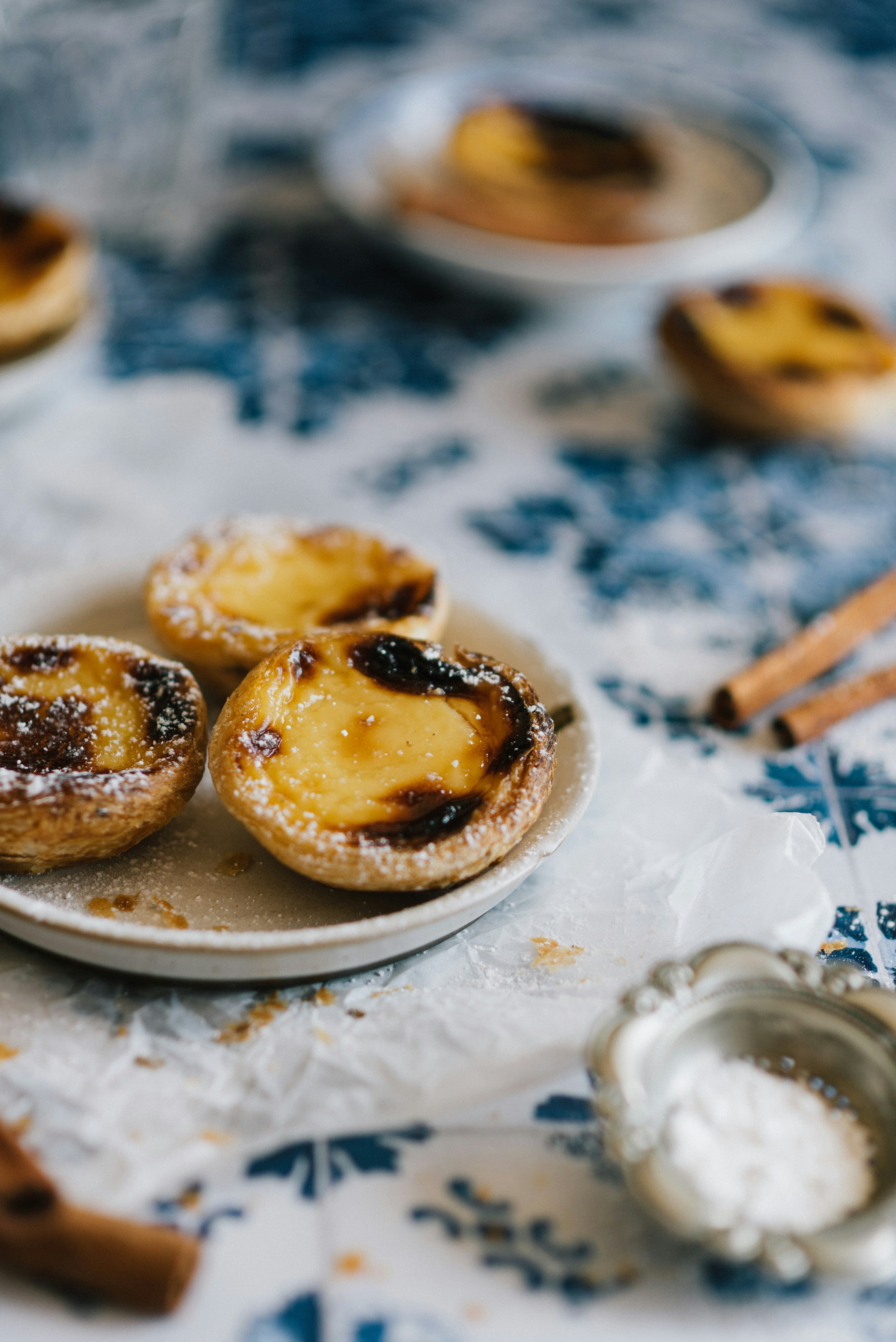 Pastel de Nata
 Bifana
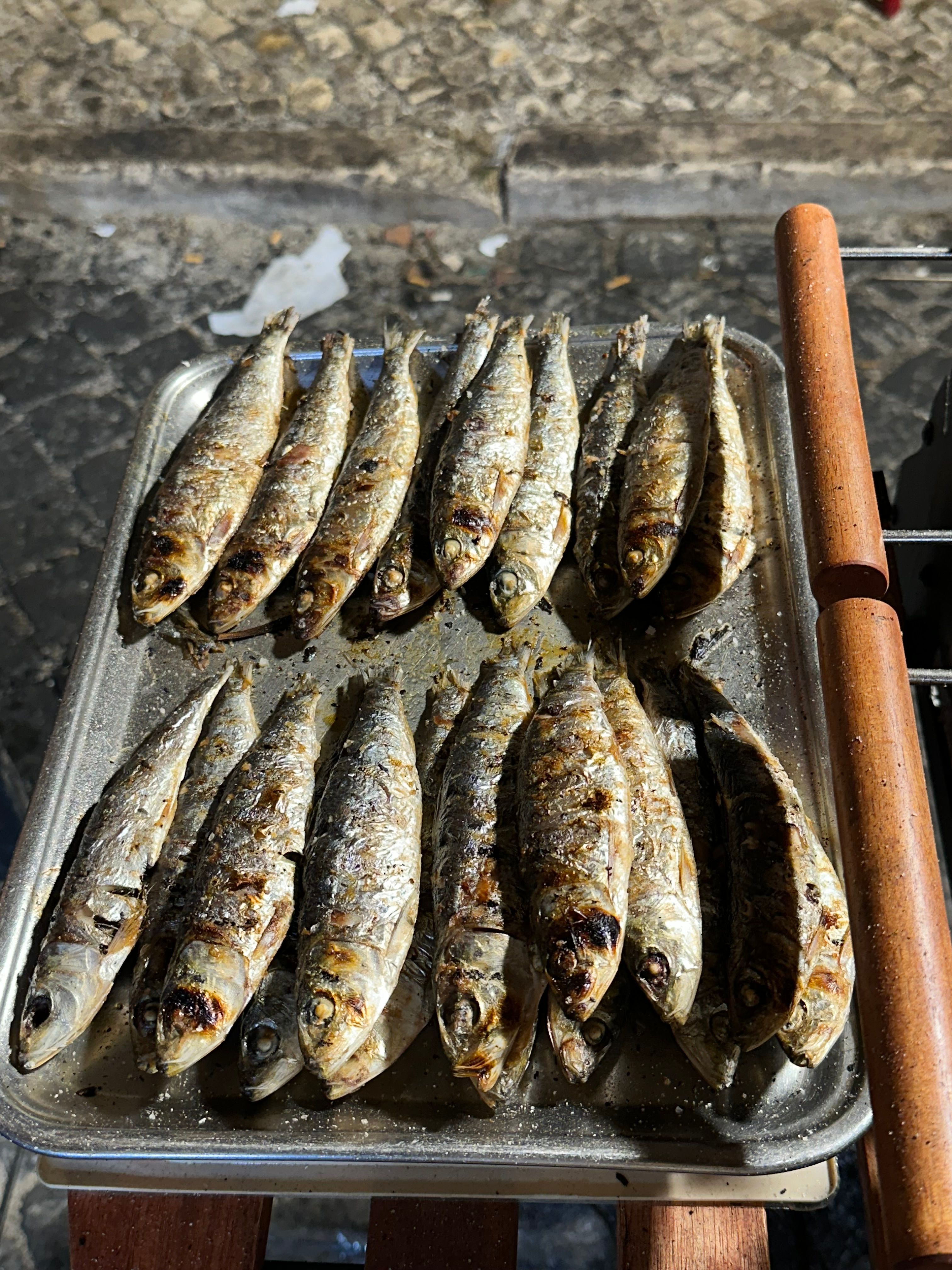 Sardinhas Assadas (Grilled Sardines)
 Caldo Verde
 Tripas à Moda do Porto
 Rojões à Moda do Minho