Desert Survival Food · Wild Watermelon
Tsamma Melon

Photo: Bernard DUPONT / Wikimedia Commons · CC BY-SA 2.0
Roughly 90% water, tsamma melons are so central to survival in the Kalahari that San hunters are said to be able to go six weeks in the desert relying on the fruit alone.
This wild, bitter-fleshed relative of the watermelon grows scattered across the sand around Ghanzi and ripens deepest into the dry season, exactly when surface water disappears. Its flesh is eaten raw or cooked down into a side dish, its leaves used as a vegetable, and its seeds roasted or pressed for oil.
Why it's made this way: For San communities who have used it for over 4,000 years, the tsamma melon was as much a water source as a food, letting hunting parties range deep into the Kalahari between wells.
More from Botswana
 Chibuku (Bojalwa)
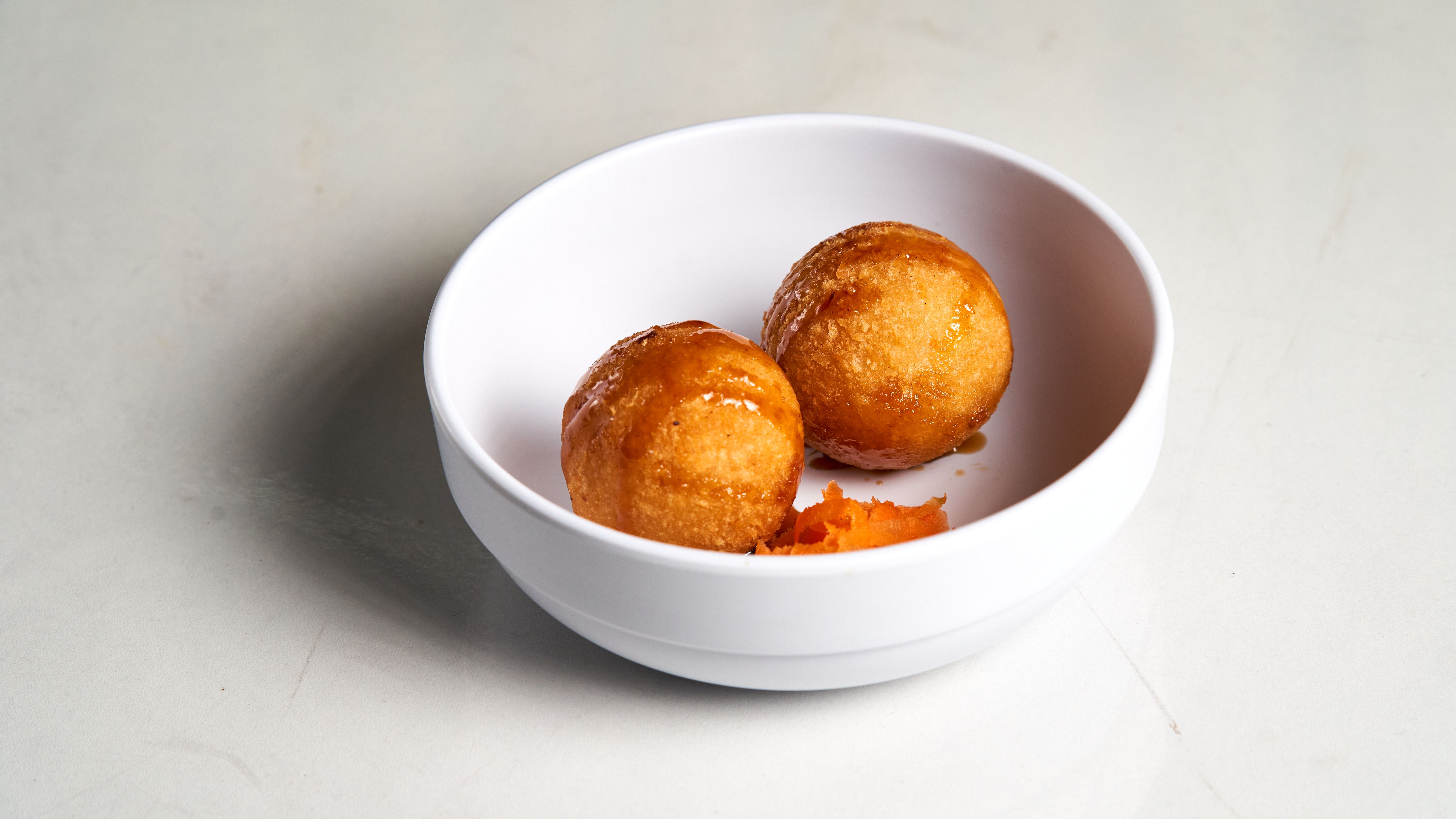 Magwinya (Vetkoek)
 Phane (Mopane Worms)
 Seswaa
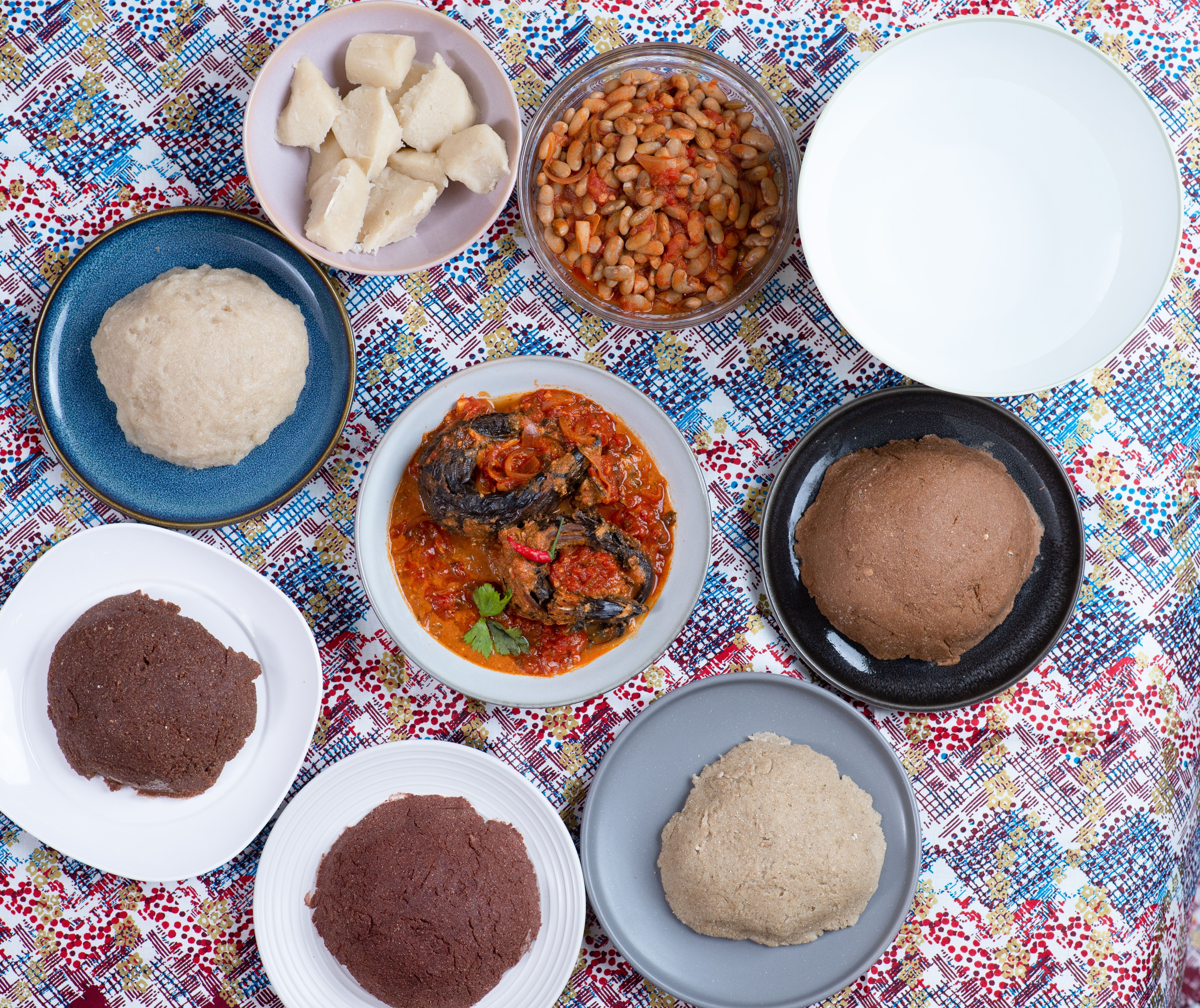 Bogobe (Sorghum Porridge)
 Dikgobe (Samp and Beans)
Part of World of Street Food — 3248 dishes from 118 countries.
Something wrong here? Tell us in the comments below.
Photo credits.