Papua New Guinea Street Food
Papua New Guinean street food centres on the market grill — smoky, cheap, and built around whatever cut of meat or root vegetable made it to town that day.
🍖 Much of the meat sizzling on Papua New Guinea's street grills is a cut so fatty that Australian and New Zealand supermarkets largely won't sell it at home.
14 street food dishes from Papua New Guinea, across 3 regions — what each one is, why it's made that way, and what to expect when you order it.
Signature street foods of Papua New Guinea
🍺
National Staple · South Pacific Lager
SP Lager
It's been brewed in Port Moresby since 1952 — before Papua New Guinea even existed as an independent nation — and locals still just call it 'SP.'
SP Lager is a crisp, tropical lager brewed by South Pacific Brewery, sold in bottles and cans at trade stores, beachside bars, and village gatherings across the country. Its simple 'SP'…
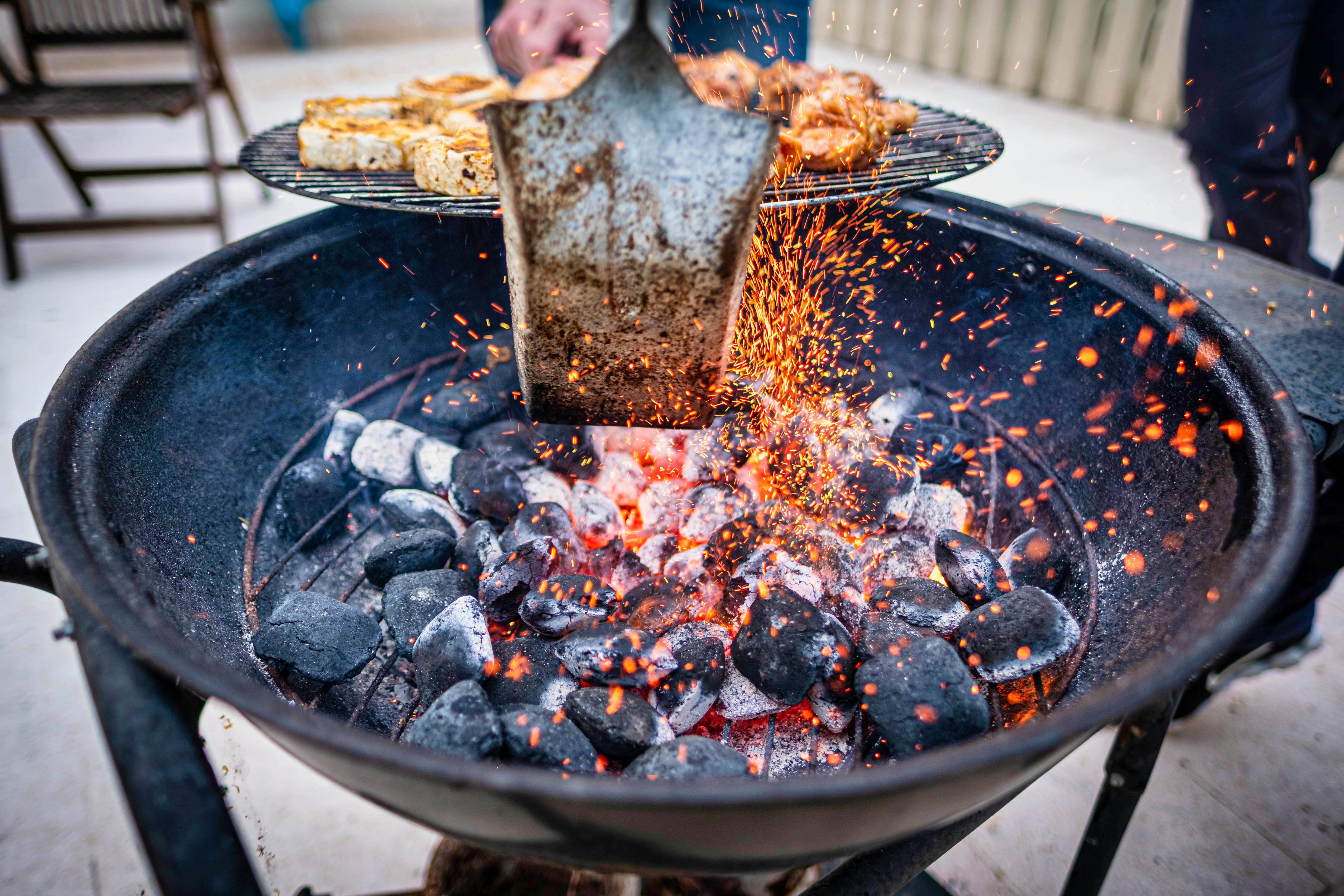 Market Grill · Everyday Staple
Grilled Lamb Flaps
Lamb flaps are the fatty rib off-cuts that Australian and New Zealand butchers largely won't sell domestically — yet in PNG they've become a market…
Fatty mutton or lamb "flaps" — the belly and rib off-cuts trimmed away from premium export cuts — are grilled whole over charcoal at market stalls and roadside grills, then chopped and…
 Earth Oven Feast · Mumu
Mumu
A mumu can take half a day to prepare underground but only minutes to demolish once the leaf-wrapped parcels of pork and greens are dug back up.
Mumu is Papua New Guinea's traditional pit-cooked feast: pork, chicken, kaukau (sweet potato) and greens are wrapped in leaves, layered over hot stones in a dug pit, and covered to steam…
Market Grill · Everyday Staple
Grilled Lamb Flaps
Lamb flaps are the fatty rib off-cuts that Australian and New Zealand butchers largely won't sell domestically — yet in PNG they've become a market…
Fatty mutton or lamb "flaps" — the belly and rib off-cuts trimmed away from premium export cuts — are grilled whole over charcoal at market stalls and roadside grills, then chopped and…
Earth Oven Feast · Mumu
Mumu
A mumu can take half a day to prepare underground but only minutes to demolish once the leaf-wrapped parcels of pork and greens are dug back up.
Mumu is Papua New Guinea's traditional pit-cooked feast: pork, chicken, kaukau (sweet potato) and greens are wrapped in leaves, layered over hot stones in a dug pit, and covered to steam…
Street food by region
3 regions of Papua New Guinea with their own dishes.
- Southern Region (Port Moresby)4
- Highlands (Mount Hagen & Goroka)4
- New Guinea Islands (Rabaul & East New Britain)3
Southern Region (Port Moresby) street food
🥟
Coastal Staple · Sago Dumplings
Saksak
A single sago palm, felled just before it flowers, can yield well over 100 kilograms of starch scraped and washed from its trunk.
Saksak is sago flour mixed with mashed banana, wrapped in banana leaf and boiled in coconut milk into a soft, chewy dumpling. Traders from Gulf and Western Province bring it into Port…
 Market Custom · Betel Nut
Buai (Betel Nut)
The red colour appears only when nut, mustard stick and lime are chewed together, and Port Moresby has fought the red spit stains on its streets…
Buai, or betel nut, is sold in mounds at Port Moresby's markets and roadside stalls, paired with a mustard pepper stick (daka) and lime powder. Chewed together, they deliver a quick…
🐠
Coastal Classic · Raw Fish Salad
Raw Fish in Coconut Milk
No stove is involved — the fish "cooks" entirely from sitting in lime juice until it turns opaque and firm.
This raw fish salad is eaten in coastal communities around Port Moresby: cubes of fresh fish are marinated in lime juice, then mixed with coconut milk, chilli, onion and tomato, often…
🥥
Market Refreshment · Green Coconut
Kulau
Vendors machete the top off right in front of you — the only "ingredient" is whatever the tree already put inside.
Kulau is a young green coconut, its top hacked open with a bush knife to reveal cool, slightly sweet coconut water, sold by the roadside and at Port Moresby's markets as an instant, cheap…
Market Custom · Betel Nut
Buai (Betel Nut)
The red colour appears only when nut, mustard stick and lime are chewed together, and Port Moresby has fought the red spit stains on its streets…
Buai, or betel nut, is sold in mounds at Port Moresby's markets and roadside stalls, paired with a mustard pepper stick (daka) and lime powder. Chewed together, they deliver a quick…
🐠
Coastal Classic · Raw Fish Salad
Raw Fish in Coconut Milk
No stove is involved — the fish "cooks" entirely from sitting in lime juice until it turns opaque and firm.
This raw fish salad is eaten in coastal communities around Port Moresby: cubes of fresh fish are marinated in lime juice, then mixed with coconut milk, chilli, onion and tomato, often…
🥥
Market Refreshment · Green Coconut
Kulau
Vendors machete the top off right in front of you — the only "ingredient" is whatever the tree already put inside.
Kulau is a young green coconut, its top hacked open with a bush knife to reveal cool, slightly sweet coconut water, sold by the roadside and at Port Moresby's markets as an instant, cheap…
Highlands (Mount Hagen & Goroka) street food
🍠
Highlands Staple · Roasted Sweet Potato
Kaukau
Highlanders grow dozens of named kaukau varieties, some prized and traded like a specialty crop rather than just a basic staple.
Kaukau, the Tok Pisin name for sweet potato, is roasted over coals or in ash and sold whole from market stalls in Mount Hagen and Goroka, split open and eaten plain or with a pinch of salt.
☕
Highlands Grown · Fresh Coffee
Highlands Coffee
Most of PNG's coffee, roughly 85% by common estimates, comes from small family garden plots rather than plantations, often in villages reachable…
Arabica coffee grown on the fertile slopes around Goroka and Mount Hagen is roasted locally and brewed strong, served by the cup in town cafés and coffee shops, and sold by the bag for…
🌾
Highlands Vegetable · Wild Cane Shoot
Pitpit
Locals treat this cane-like shoot the way other cuisines treat asparagus — a prized seasonal vegetable, not just another green.
Pitpit, the unopened flower head of a cane related to sugarcane, is sliced and simmered with coconut milk, ginger and spring onion, sometimes with smoked fish, giving it a grassy, nutty…
🥬
Everyday Green · Aibika Greens
Kumu (Aibika)
In Tok Pisin, 'kumu' covers any edible leafy green, and aibika is one of the most widely grown of them, found in gardens from the coast to the…
Aibika, a soft-leaved hibiscus green, is boiled, steamed in a mumu, or simmered with coconut milk where it is available, forming an everyday cooked green served alongside kaukau at markets…
New Guinea Islands (Rabaul & East New Britain) street food
🌰
Islands Specialty · Galip Nut
Galip Nut
The kernel sits inside a hard shell wrapped in a thin fleshy fruit, and processors peel off its thin brown skin to get the pale, almond-like nut.
Galip nuts, cracked from the hard-shelled canarium tree, are dry-roasted and sold loose at Rabaul's market or packaged as a crunchy, almond-like snack by small East New Britain processors.
🍫
Cocoa Country · Island Hot Chocolate
Island Cocoa
The cocoa in your cup may have grown just up the road — East New Britain and neighbouring Bougainville are among PNG's biggest cocoa-growing regions.
Cocoa beans grown on East New Britain's smallholder plots are dried and roasted, then brewed into a rich, unsweetened hot chocolate or ground into raw cocoa blocks sold at Rabaul's market.
🐟
Islands Grill · Tuna Skewers
Grilled Tuna Skewers
Papua New Guinea's waters supply a significant share of the world's tuna, yet at the market it's still sold the simplest way possible — straight off…
Chunks of fresh tuna, threaded onto skewers and grilled over coals, are sold hot at Rabaul's waterfront market, often with nothing more than salt, lime, or a simple chilli dip.
More street food in Oceania
Part of World of Street Food — 3443 dishes from 118 countries.
Photo credits.