Brazil Street Food
Beach and street food shaped by Portuguese, African, and Indigenous influences.
🍗 One popular snack is a deep-fried dough ball named after its shape — 'coxinha' literally means little thigh.
49 street food dishes from Brazil, across 11 regions — what each one is, why it's made that way, and what to expect when you order it.
Signature street foods of Brazil
 Amazonian Fizz · Brazil's Other National Drink
Guaraná Antarctica
Guaraná seeds contain roughly two to four times as much caffeine as coffee beans, though the soda itself has only a little.
Guaraná Antarctica is a bright, fruity soda flavored with guaraná, a caffeine-rich seed native to the Amazon that Indigenous Brazilians used long before it became a soft drink. It's sold…
 Snack · Fried
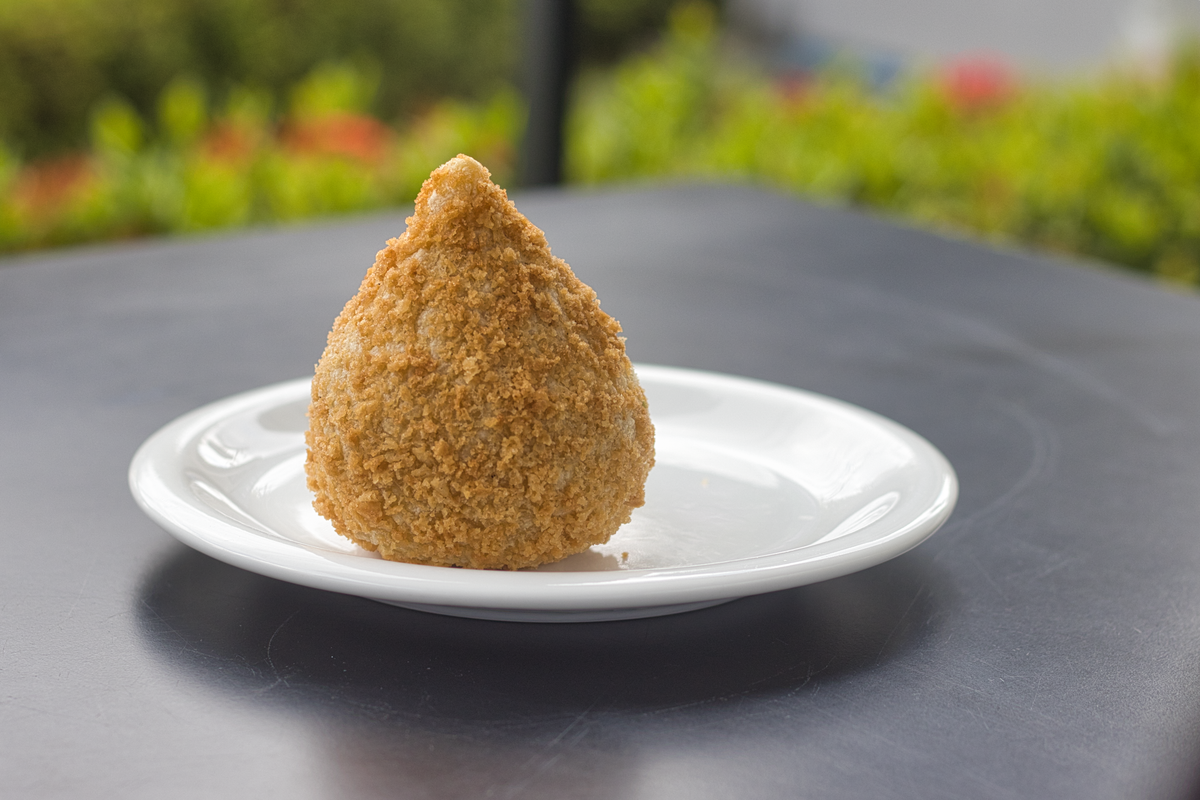
Coxinha (Chicken Croquette)
Shaped like a chicken drumstick, even though there's no bone inside.
Shredded chicken wrapped in a teardrop-shaped dough shell, breaded and deep-fried, sold from bakeries and beach vendors across Brazil.
 Breakfast · Baked
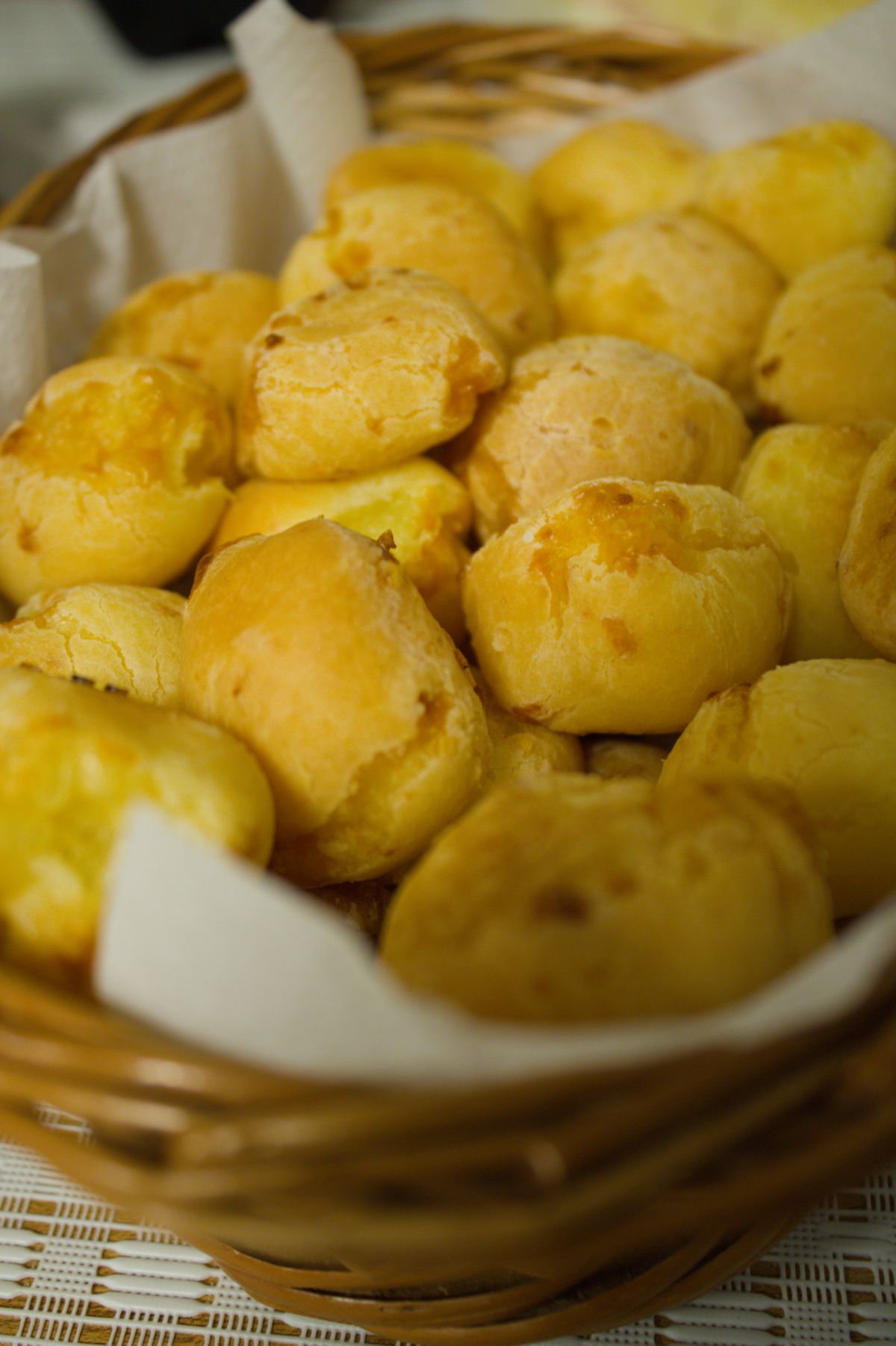
Pão de Queijo (Cheese Bread)
Naturally gluten-free by tradition, not by trend.
Small, chewy baked rolls made from tapioca/cassava starch and cheese, crisp outside and stretchy inside, sold hot from bakeries and street carts especially in Minas Gerais.
 Street Food · Bahian Heritage
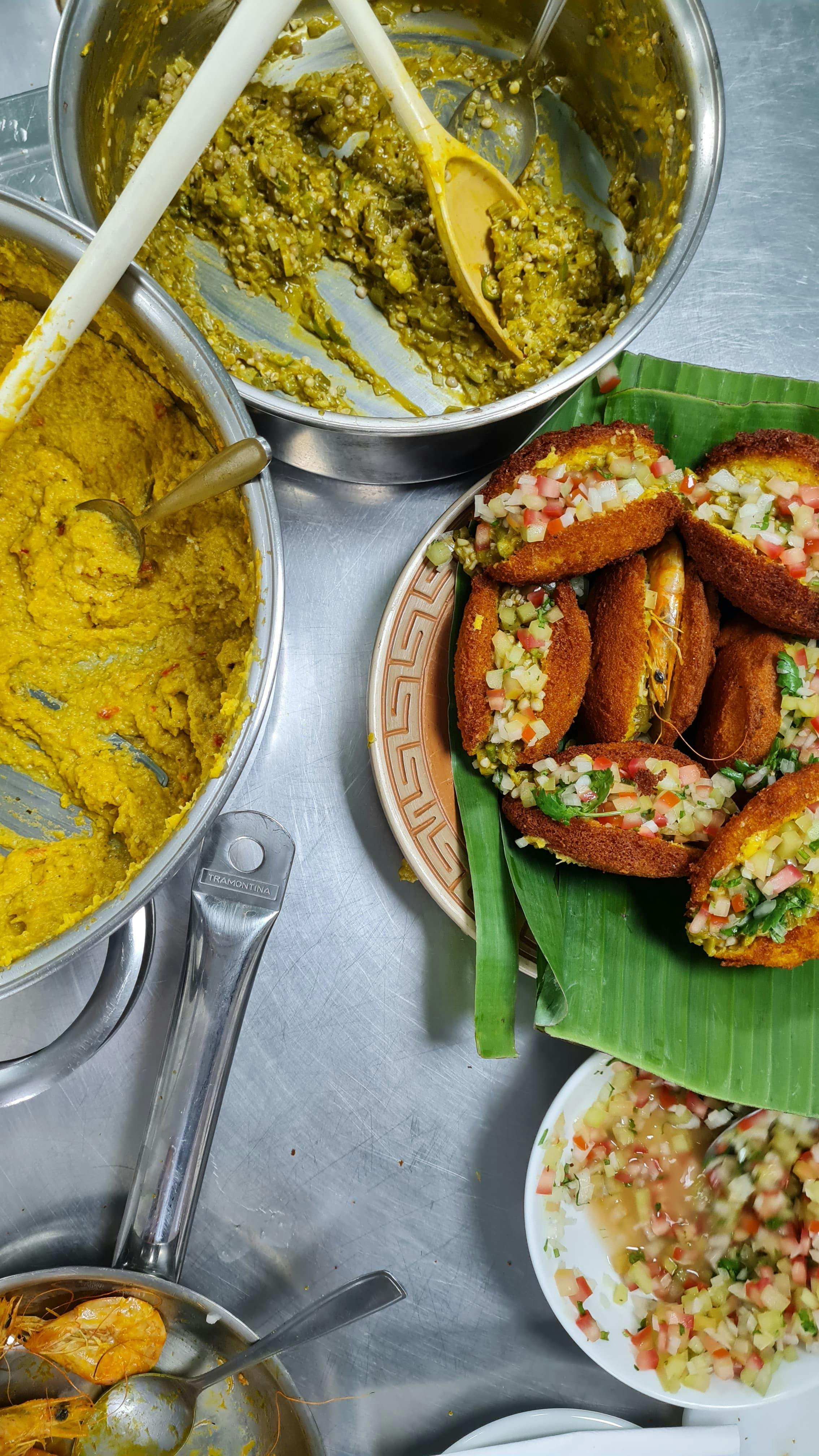
Acarajé
In Bahia, the women who sell it wear ceremonial white dresses — because this street snack is also a religious offering.
Peeled black-eyed peas are ground into a batter, shaped by hand, and deep-fried in dendê oil until golden-orange. Vendors known as Baianas split the fritter open and stuff it with vatapá…
 Street Cart · Cassava Crepe
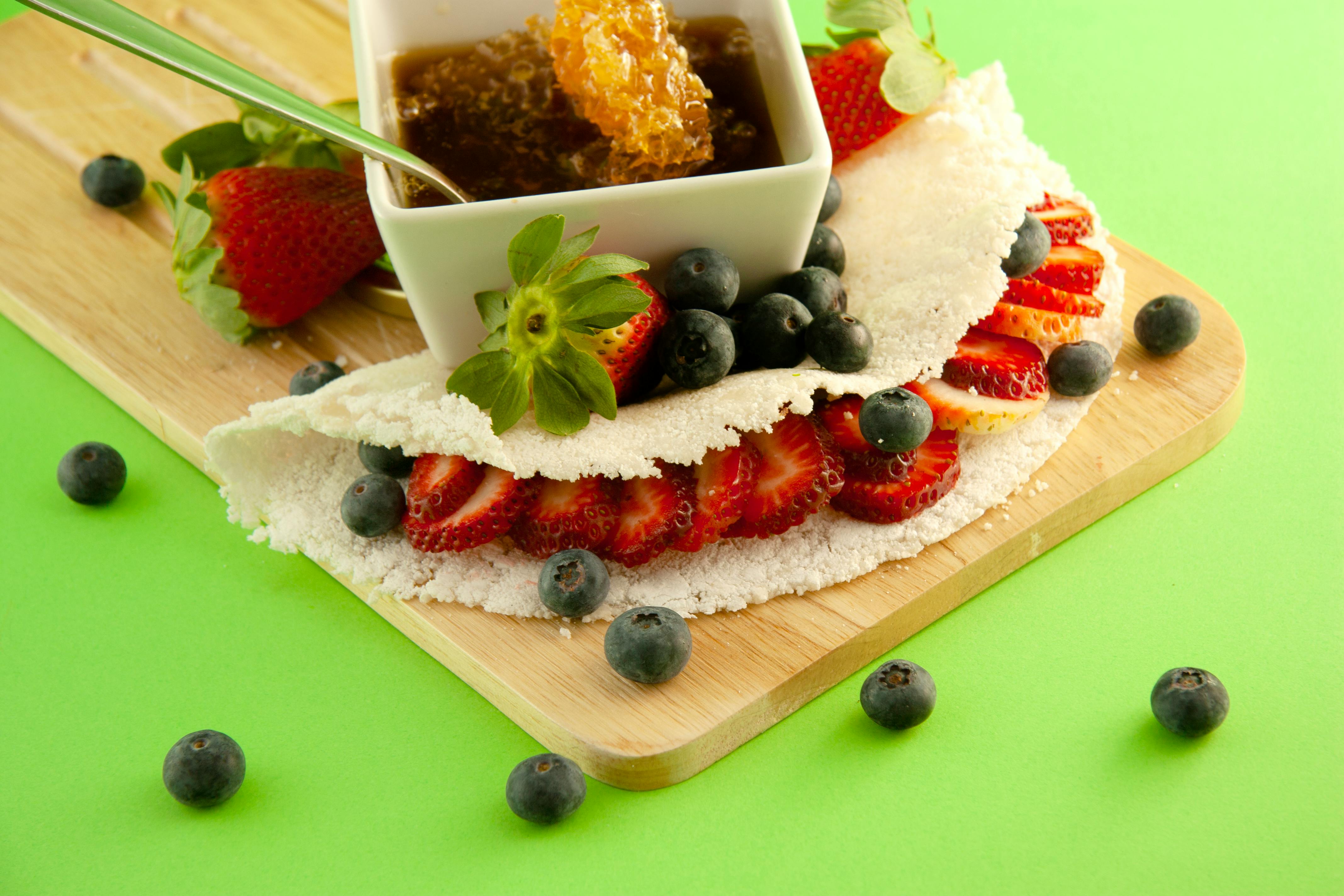
Tapioca (Beiju)
Tapioca crepes are older than Brazil itself — Tupi-Guarani communities were cooking cassava starch this way long before Portuguese ships ever arrived.
Tapioca is a thin, chewy crepe made by sieving hydrated cassava (manioc) starch directly into a hot skillet, where the granules fuse into a flexible disc within seconds. Street carts…
Street food by region
11 regions of Brazil with their own dishes.
- Bahia4
- Pará4
- Minas Gerais4
- São Paulo4
- Rio de Janeiro4
- Rio Grande do Sul4
- Pernambuco4
- Ceará4
- Paraná4
- Goiás4
- Amazonas4
Bahia street food
 Street Stall · Steamed Bean Cake
Abará
It's made from the same black-eyed pea batter as acarajé; only the cooking changes, with the dough steamed in banana leaf instead of fried.
A soft cake of mashed black-eyed peas, onion, dried shrimp, and dendê oil, wrapped in banana leaf and steamed rather than fried. Bahian street vendors, often the same baianas selling…
 Beach Vendor · Coconut Candy
Cocada
The dark 'cocada queimada' gets its brown color purely from slow-caramelized sugar, not chocolate or coloring — some vendors cook a single batch for…
Chunks of coconut cooked down with sugar into a chewy candy, sold in small paper cups by baianas walking the sand with trays balanced on their heads. Comes in a pale 'branca' version and a…
 Street Stall · Shrimp & Bread Purée
Vatapá
The origin of its name is disputed, with Yoruba and Portuguese roots both proposed, and the dish is also cooked as an offering in Candomblé, Bahia's…
A thick, orange-hued purée of bread, ground peanuts and cashews, coconut milk, dendê oil, and dried shrimp, ladled hot into cups or over rice at Bahian street stalls. It's often sold…
🥤
Beach Vendor · Tropical Fruit Juice
Suco de Cajá (Yellow Mombin Juice)
Cajá trees fruit so heavily and briefly that Bahian vendors freeze the tart pulp in bulk just to keep this juice on menus year-round.
A tangy, bright-orange juice blended from the pulp of the cajá (yellow mombin) fruit with ice and sugar, sold from beach kiosks and juice carts across Salvador. It's thicker and sourer…
Pará street food
 Street Stall · Jambu & Shrimp Soup
Tacacá
The jambu leaf floating in the broth contains spilanthol, a compound that genuinely numbs and tingles the lips and tongue — it's used in folk…
A scalding-hot soup of tucupi (a yellow broth made from fermented manioc juice), goma (tapioca starch), dried shrimp and jambu leaves, served by street vendors known as tacacazeiras in…
 Street Stall · Amazon Berry Bowl
Açaí na Tigela (Amazonian Style)
In Pará, açaí is traditionally served savory — thick, unsweetened, and eaten with tapioca flour or fried fish — the opposite of the sweetened…
Deep-purple açaí pulp, mashed and served thick and slightly bitter, ladled from coolers at street stalls with manioc flour or dried shrimp stirred in. Locals eat it as a savory meal, not a…
 Street Vendor · Amazon Fruit Juice
Suco de Cupuaçu
Cupuaçu is a close botanical cousin of cacao, and its seeds can be processed into a chocolate-like product that Brazilians call cupulate.
A creamy, tart juice blended from the white pulp surrounding cupuaçu seeds, sold cold from street carts across Belém and river towns in Pará. Vendors often blend it with condensed milk for…
 Street Snack · Stuffed Crab Shell
Casquinha de Caranguejo
Pará's crab is mostly the mangrove crab caranguejo-uçá, pulled by hand from burrows in the mud of the Bragança coast's mangroves.
Shredded crab meat seasoned with onion, tomato, peppers and herbs, packed back into the crab's own shell, topped with toasted farinha and baked until golden. It's sold as a handheld snack…
Minas Gerais street food
 Roadside Stall · Milk Caramel Candy
Doce de Leite
Minas doce de leite comes both as a spoonable cream and as firm, grainy bars called doce de leite em barra, sold stacked in blocks at roadside stalls.
Milk and sugar slow-cooked for hours into a thick caramel, sold in wax-paper-wrapped blocks or tin cans at roadside stalls and market fairs across Minas Gerais. Vendors often let you taste…
 Street Stall · Cornmeal Bread
Broa de Fubá
Portugal already had a cornbread called broa, made with maize from the Americas; in Minas it became a softer, cake-like version often flavoured with…
A dense, faintly sweet cornmeal bread, sold warm in thick wedges at market stalls and roadside bakeries across Minas Gerais. It's often eaten plain with coffee rather than as a sandwich.
 Fair Food · Beans & Cassava Flour
Feijão Tropeiro
It's the signature dish at Belo Horizonte's Mineirão stadium, where plates of feijão tropeiro are a matchday ritual.
Beans fried with toasted cassava flour, bacon, egg, and collard greens, scooped into cups or folded into bread at Minas street fairs and market stalls. It's dry and portable by design, not…
🍇
Roadside Stall · Native Berry Liqueur
Licor de Jabuticaba
Jabuticaba fruit grows straight out of the tree's trunk and thick branches, and Sabará holds an annual festival in its honour.
A dark, sweet-tart liqueur steeped from jabuticaba berries and sugarcane spirit, sold in unlabeled bottles at roadside stands and small-town markets around Minas Gerais, especially near…
São Paulo street food
 Street Fair · Fried Pastry
Pastel de Feira
The thin-crust São Paulo pastel traces back to Japanese and Chinese immigrant vendors who ran the city's open-air 'feiras livres' and adapted their…
A large, paper-thin pastry filled with meat, cheese, or hearts of palm, deep-fried to order at street-fair stalls across São Paulo. It's stretched by hand right before frying so the shell…
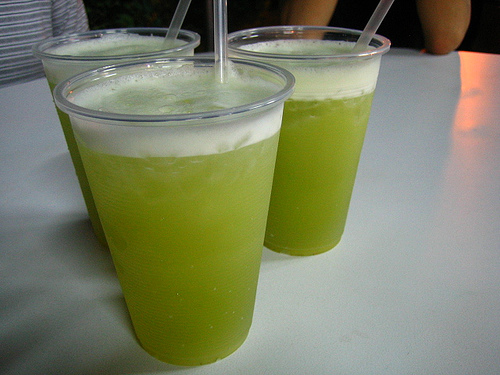 Street Fair · Sugarcane Juice
Caldo de Cana
The pastel sold alongside it was popularised at São Paulo's street fairs by Japanese and Chinese immigrant families, who ran many of the stalls from…
Raw sugarcane stalks fed through a metal press right in front of the customer, producing a pale-green, foamy juice served over ice, sometimes with lime or pineapple. It's a staple at São…
🥪
Market Stall · Mortadella Sandwich
Sanduíche de Mortadela do Mercadão
The height comes from technique: the mortadella is folded into loose, ruffled layers rather than laid flat, so the stack rises far above the bread.
Warm French bread stuffed with a towering stack of thinly sliced mortadella, sometimes with melted cheese, sold from a handful of counter stalls inside São Paulo's historic Mercado…
 Diner Classic · Steak Sandwich
Bauru
The sandwich is named after a customer's hometown nickname, not an ingredient — it was invented at a São Paulo bar for a law student everyone called…
Roast beef, melted cheese, tomato, and pickled cucumber pressed into French bread, sold at lanchonetes and street-corner sandwich counters across São Paulo. The original recipe, still…
Rio de Janeiro street food
 Beach Vendor · Puffed Tapioca Ring
Biscoito Globo
Despite being a Rio beach icon, the biscuit began in São Paulo in the 1950s; its makers moved to Rio, where selling it on the sand made it famous.
A light, airy, ring-shaped biscuit made from tapioca starch, sold by walking vendors carrying tall clear bags up and down Rio's beaches. It's almost always bought paired with a cold Mate…
 Beach Vendor · Iced Mate Tea
Mate Leão
Beach mate vendors carry two metal tanks on a shoulder yoke, one of mate and one of lemonade, and mix the two to order as 'mate com limão'.
Chilled, sweetened toasted mate tea poured from metal tanks by vendors walking Rio's Copacabana and Ipanema beaches, often mixed with lemonade. Mate Leão is the best-known brand, and it's…
 Boteco Snack · Codfish Fritter
Bolinho de Bacalhau
The cod used has never swum anywhere near Brazil — it's salted North Atlantic fish imported since colonial times, a Portuguese trade habit that…
Deep-fried croquettes of shredded salt cod, mashed potato, and parsley, served piping hot at Rio's boteco bars as a beer snack. Vendors also sell them individually from trays at street…
 Beach Vendor · Fresh Coconut Water
Água de Coco na Praia
When you've finished the water, many vendors will split the coconut open so you can scoop out the soft young flesh with a sliver of husk.
A whole green coconut, chilled and hacked open on the spot, served with a straw by vendors pushing carts or coolers along Rio's beachfront. It's sold everywhere from Copacabana to Ipanema…
Rio Grande do Sul street food
 Gaucho Ritual · Yerba Mate Drink
Chimarrão
A 2003 state law made chimarrão the official symbolic drink of Rio Grande do Sul, and many gaúchos carry a thermos and gourd with them around town.
Hot water poured over dried yerba mate leaves packed into a gourd, sipped through a metal straw (bomba) and passed hand to hand around a circle of friends or coworkers. Street vendors and…
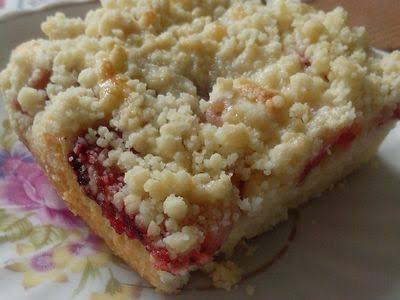 Colonial Market · German Crumb Cake
Cuca Colonial
The recipe arrived with German settlers who began colonizing Rio Grande do Sul in 1824, and small-town bakeries there still bake it in the same…
A yeasted cake topped with crumbly streusel and fruit like plum, banana, or pineapple, sold by the slice at colonial markets and roadside bakeries in Rio Grande do Sul's German-settled…
🍇
Harvest Stall · Grape Juice
Suco de Uva da Serra Gaúcha
Rio Grande do Sul makes the vast majority of Brazil's wine and grape juice, a legacy of Italian immigrants who began planting vines on the Serra…
Deep-purple whole grape juice sold by the bottle and glass at farm shops, roadside cantinas and harvest-season stalls around Bento Gonçalves and the Vale dos Vinhedos. It's served cold…
🍔
Pressed sandwich · Plate-sized bun
Xis (Gaúcho Cheeseburger)
The name is just how 'cheese' sounds in Brazilian Portuguese, and the city of Canoas made 28 May official Xis Day in 2016.
A huge bun around 18 cm across, filled with meat (or chicken hearts in the xis-coração), cheese, lettuce, tomato, corn, peas and mayo, pressed flat on the griddle at lancherias across the…
Pernambuco street food
🥣
Beach broth · Served in a glass
Caldinho (Little Broth)
On Recife's Boa Viagem beach, vendors walk the sand with thermal jugs and ladle it out steaming hot, even in tropical heat.
A thick, well-seasoned broth, most often of beans but also of shrimp, fish or tripe, served in a small glass and topped with quail egg, crispy bacon or olives.
🧀
Cheese on a stick · Grilled on the sand
Queijo Coalho no Espeto (Grilled Curd Cheese Skewer)
Queijo coalho resists heat, so it can be grilled straight over coals on a stick and come off golden and squeaky instead of melting away.
A block of firm coalho cheese on a skewer, toasted over a small charcoal brazier by vendors walking Recife's beaches such as Boa Viagem, often finished with oregano or sugarcane molasses…
 Paper-thin layers · Guava swirl
Bolo de Rolo (Rolled Guava Cake)
It is recognised by law: Pernambuco made bolo de rolo part of its intangible cultural heritage in 2008 (State Law 13.436).
A sponge rolled around guava paste in many wafer-thin layers, sold by the slice at bakeries, cafés and fair stalls across Recife.
🥤
Snack-bar counter · Cuban import
Maltado (Recife Malted Milk)
The drink is protected by law: in 2014 Recife's city council declared the maltado of the As Galerias snack bar part of the city's cultural…
A cold, thick shake of vanilla ice cream, milk and malt, served in a glass at the counter of Recife's old-fashioned lanchonetes, above all As Galerias in Recife Antigo, usually with a…
Paper-thin layers · Guava swirl
Bolo de Rolo (Rolled Guava Cake)
It is recognised by law: Pernambuco made bolo de rolo part of its intangible cultural heritage in 2008 (State Law 13.436).
A sponge rolled around guava paste in many wafer-thin layers, sold by the slice at bakeries, cafés and fair stalls across Recife.
🥤
Snack-bar counter · Cuban import
Maltado (Recife Malted Milk)
The drink is protected by law: in 2014 Recife's city council declared the maltado of the As Galerias snack bar part of the city's cultural…
A cold, thick shake of vanilla ice cream, milk and malt, served in a glass at the counter of Recife's old-fashioned lanchonetes, above all As Galerias in Recife Antigo, usually with a…
Ceará street food
🍛
Plastic bowl · Sertão comfort
Pratinho (Little Plate)
It started as seasonal food at June-festival stalls, then the stalls stayed and it became a year-round street meal on Fortaleza's squares and corners.
A cheap disposable plate piled with rice or baião de dois, vatapá or creme de galinha, paçoca and salad, often with carne de sol or sausage, sold from corner stands and plazas.
 Tripe stew · Market counter
Panelada
It is made from the ox's tripe, intestines and even feet, and Fortaleza's Mercado São Sebastião cooked a 617-kilo panelada that was homologated as…
A heavily seasoned stew of beef tripe and offal, ladled out at the food boxes of Fortaleza's Mercado São Sebastião from early morning and eaten on the spot with rice, farofa or cuscuz.
🦐
Buy it raw · Fried on the spot
Camarão Alho e Óleo (Fish-Market Garlic Shrimp)
At Fortaleza's Mercado dos Peixes you buy your shrimp by the kilo from a fishermen's stall, then pay one of the frying boxes a small fee to cook it…
Fresh shrimp picked at the market stalls on Mucuripe beach and fried in garlic and oil at the market's frying boxes, eaten by the portion at the market's plastic tables with a view of the…
🧃
Cashew-apple juice · Beach barracas
Suco de Caju (Cashew-Apple Juice)
The juice is not made from the cashew nut but from the fleshy 'cashew apple' the nut hangs from, which is botanically a false fruit.
Tart, slightly astringent juice pressed from the yellow or red cashew apple, served cold at Fortaleza's beach barracas and juice stands, often next to fried fish or seafood.
Tripe stew · Market counter
Panelada
It is made from the ox's tripe, intestines and even feet, and Fortaleza's Mercado São Sebastião cooked a 617-kilo panelada that was homologated as…
A heavily seasoned stew of beef tripe and offal, ladled out at the food boxes of Fortaleza's Mercado São Sebastião from early morning and eaten on the spot with rice, farofa or cuscuz.
🦐
Buy it raw · Fried on the spot
Camarão Alho e Óleo (Fish-Market Garlic Shrimp)
At Fortaleza's Mercado dos Peixes you buy your shrimp by the kilo from a fishermen's stall, then pay one of the frying boxes a small fee to cook it…
Fresh shrimp picked at the market stalls on Mucuripe beach and fried in garlic and oil at the market's frying boxes, eaten by the portion at the market's plastic tables with a view of the…
🧃
Cashew-apple juice · Beach barracas
Suco de Caju (Cashew-Apple Juice)
The juice is not made from the cashew nut but from the fleshy 'cashew apple' the nut hangs from, which is botanically a false fruit.
Tart, slightly astringent juice pressed from the yellow or red cashew apple, served cold at Fortaleza's beach barracas and juice stands, often next to fried fish or seafood.
Paraná street food
🥩
Raw beef · Rye bread
Carne de Onça (Jaguar Meat)
There is no jaguar in it: the name is said to come from the strong 'jaguar breath' the raw onion and garlic leave behind.
Seasoned raw ground beef with onion, chives and olive oil, spread on a slice of rye bread and eaten as a bar snack with cold beer in Curitiba's botecos.
🥪
Giant meatball · Boteco sandwich
Pão com Bolinho (Meatball Sandwich)
Curitiba holds a yearly Pão com Bolinho festival where dozens of bars sell their own version at a fixed price.
A big fried beef meatball tucked into pão francês or pão d'água with mayonnaise, often cheese and herbs, sold at the counters of Curitiba's traditional bars.
🌰
Winter snack · Araucaria seeds
Pinhão Cozido (Boiled Araucaria Pine Nuts)
Paraná bans harvesting and selling pinhão before an official opening date (1 April for years, moved to 15 April in 2026) so that unripe cones stay…
Big pine seeds boiled in salted water and sold hot by the portion at winter stalls on Curitiba's Praça Osório and Praça Santos Andrade, peeled by hand and eaten on the spot.
🥟
Polish dumplings · Fair stalls
Pierogi
Paraná is home to Brazil's largest Polish-descended community, so Curitiba street fairs sell pierogi alongside pastel and espetinhos.
Boiled half-moon dumplings, most often filled with potato and ricotta, served hot with sauce from stalls at the Sunday Feira do Largo da Ordem and Curitiba's night food fairs.
Goiás street food
 Corn husk parcel · Savory with cheese
Pamonha Goiana
Pamonha cars cruise Goiânia's streets announcing themselves with a loudspeaker cry of 'olha o carro da pamonha!'.
Grated green corn cooked in its husk, usually savoury with cheese and sometimes sausage, sold hot from pamonha cars and neighbourhood pamonharias in Goiânia, also fried or baked.
 Deep pie · Bitter palm heart
Empadão Goiano
Its signature extra is guariroba, a bitter palm heart from the Cerrado, alongside another Goiás staple, pequi.
A deep, hot pie filled with chicken, pork, pork sausage, cheese, olives and guariroba, sold at feira stalls and lanchonetes in central Goiânia.
🍢
Skewer supper · Beer on the side
Jantinha (Little Dinner)
Goiânia made this humble skewer plate official city heritage in 2022.
A charcoal-grilled espetinho served with white rice, feijão tropeiro, cassava and vinaigrette, sold at skewer stands, bars and street fairs.
🍔
Trailer sandwich · Goiânia nights
Sanduíche de Pit-Dog (Pit-Dog Sandwich)
The name started as one shop's brand, a play on 'petit dog' with a little dog in its logo, and became the everyday word in Goiás for any sandwich…
Big griddle sandwiches such as the X-Salada and X-Tudo, built to order in metal trailers and kiosks on Goiânia's streets and eaten late into the night, often with a herby green mayonnaise.
Amazonas street food
 Tucumã sandwich · Breakfast in Manaus
X-Caboquinho
Manaus declared this sandwich part of its intangible cultural heritage in 2019.
Buttered pão francês filled with shavings of orange tucumã palm fruit, queijo coalho and fried pacovã plantain, sold at regional cafés and street stands, usually with coffee.
🟠
Palm fruit · Afternoon coffee
Pupunha Cozida (Boiled Peach Palm)
In season, Manaus vendors sell bags of hot boiled pupunha at traffic lights, car to car.
Peach-palm fruits boiled, peeled and eaten warm with a cup of hot black coffee, sold at 'café regional' stalls on street corners, at markets and by vendors at traffic lights.
🐟
River fish · Crisp and bony
Jaraqui Frito (Fried Jaraqui)
Locals say 'quem come jaraqui não sai mais daqui': whoever eats jaraqui never leaves.
Small Amazon river fish fried whole until crisp, served at the food counters of markets such as the Feira da Manaus Moderna and simple eateries, usually with farinha and vinagrete.
🍌
Afternoon porridge · Two-pot carts
Mingau de Banana (Banana Porridge)
Manaus mingau vendors traditionally push a hand cart carrying two big covered pots: one of banana mingau and one of mungunzá, a sweet white-corn…
Warm, thick porridge of cooked pacovã banana with milk and tapioca, ladled into cups from street carts in the afternoon and finished with cinnamon, condensed milk or cream.
More street food in Americas
- Mexico
- Peru
- Colombia
- United States
- Canada
- Greenland
- Argentina
- Chile
- Cuba
- Venezuela
- Ecuador
- Bolivia
- Paraguay
- Uruguay
- Guatemala
- Costa Rica
- Panama
- Dominican Republic
- Puerto Rico
- Jamaica
- Haiti
- Honduras
- El Salvador
- Nicaragua
- Belize
- Trinidad and Tobago
Part of World of Street Food — 3443 dishes from 118 countries.
Photo credits.